Fabrication Techniques That Enhance Duct System Efficiency
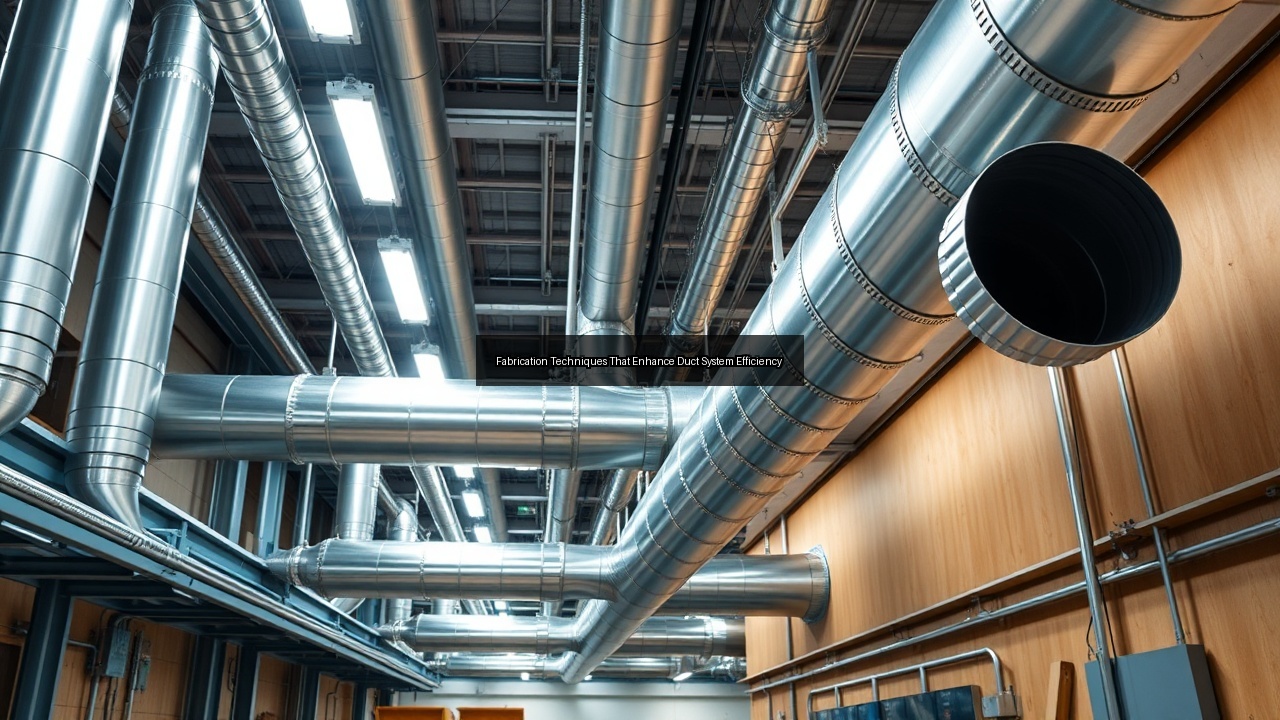
Understanding Ductwork Fabrication Techniques
Overview of Ductwork Fabrication
Ductwork fabrication involves the design and construction of ducts that facilitate the efficient movement of air within HVAC systems. This process includes cutting, shaping, and assembling various materials to create duct systems that meet specific airflow requirements. Skilled technicians utilize advanced tools and techniques for precision fabrication, ensuring that each duct fits seamlessly into the overall HVAC system. Properly fabricated ducts enhance airflow and contribute significantly to a building's energy efficiency.
Importance of Fabrication in HVAC Systems
Fabrication plays a critical role in the performance of HVAC systems. The quality and accuracy of ductwork fabrication directly impact airflow dynamics, energy consumption, and overall system efficiency. Poorly fabricated ducts can lead to air leaks, increased resistance, and reduced air quality, which may compromise comfort levels within a space. Effective ductwork fabrication ensures that air ducts are designed to minimize friction and turbulence, allowing for optimal air distribution throughout the building.
Common Materials Used in Duct Fabrication
Ductwork fabrication commonly employs materials such as galvanized steel, aluminum, and fiberglass. Galvanized steel offers durability and resistance to corrosion, making it a popular choice for commercial applications. Aluminum is lightweight and corrosion-resistant, ideal for both residential and commercial HVAC ducts. Fiberglass ductwork provides excellent thermal insulation, helping to maintain temperature control while also minimizing noise. The choice of material affects the efficiency of the duct system, influencing airflow and energy consumption.
Innovative Fabrication Processes for Enhanced Airflow
Advanced Manufacturing Techniques
Modern ductwork fabrication incorporates advanced manufacturing techniques that improve efficiency and performance. Methods such as computerized numerical control (CNC) machining allow for precision cutting and shaping of duct components. These techniques reduce waste and ensure that each piece fits perfectly within the system. Additionally, advancements like robotic welding enhance the speed and quality of duct assembly, resulting in stronger joints and improved airflow. The integration of technology in the fabrication process ensures that HVAC ducts meet high standards of quality and efficiency.
Optimizing Duct Length and Design
Optimizing the length and design of ducts is essential for maximizing airflow efficiency. Shorter duct runs typically minimize energy loss and reduce the overall resistance faced by the air as it moves through the system. Designers can utilize software and calculators to determine the optimal duct lengths and configurations based on specific building layouts and air flow requirements. Implementing bends and turns strategically can also help maintain airflow while reducing noise levels. Effective duct design ultimately leads to improved HVAC performance and lower energy costs.
Using Calculators for Efficiency in Duct Systems
Calculators play a vital role in achieving efficiency in duct systems. These tools help HVAC professionals assess various parameters, such as duct size, airflow rates, and pressure drops. By inputting data related to the specific HVAC system, professionals can determine the most efficient duct dimensions and configurations. Accurate calculations prevent oversizing or undersizing ducts, which can lead to inefficiencies and increased operational costs. Utilizing these calculators during the ductwork fabrication process ensures that the final design optimally supports the HVAC system's performance.
Benefits of Efficient Duct Systems
Improving Airflow in HVAC Ducts
Efficient duct systems significantly improve airflow, leading to enhanced comfort and satisfaction in indoor environments. Well-designed ducts minimize resistance and turbulence, allowing air to circulate freely throughout the space. This improved airflow ensures that every room receives adequate heating or cooling, eliminating hot or cold spots that often plague poorly designed systems. With optimized ductwork, HVAC systems can maintain consistent temperatures and humidity levels, contributing to a more pleasant living or working environment.
Reducing Energy Consumption
Efficient duct systems contribute to reduced energy consumption, which is beneficial for both the environment and the wallet. When ducts are properly fabricated and designed, they require less energy to move air through the system, leading to lower utility bills. Reducing energy consumption not only lowers operating costs but also decreases the carbon footprint of a building. Energy-efficient duct systems align with sustainable practices, making them an attractive option for environmentally conscious consumers and businesses.
Enhancing Indoor Air Quality
Indoor air quality (IAQ) significantly improves with efficient duct systems. Properly fabricated ducts minimize dust accumulation and prevent air leaks, which can introduce pollutants into the indoor environment. High-quality ductwork ensures that air is filtered effectively, reducing allergens and contaminants in the air. Additionally, well-maintained HVAC ducts provide consistent airflow, which helps regulate humidity levels and combat issues related to mold and mildew. Enhanced IAQ leads to a healthier living and working environment, promoting the well-being of occupants.
Choosing the Right Duct Fabrication Services
Evaluating Ductwork Fabrication Services
Selecting the right ductwork fabrication services is crucial for ensuring the efficiency and performance of HVAC systems. Start by evaluating the reputation of potential fabrication providers. Look for companies with a proven track record of high-quality work and satisfied customers. Reviews, testimonials, and case studies can provide valuable insights into the reliability and expertise of fabrication services. Additionally, consider the range of services offered, from design to installation, as comprehensive providers can streamline the entire process.
Key Factors in Selecting Fabrication Providers
When choosing duct fabrication providers, several key factors should guide your decision. Evaluate their experience and expertise in working with various duct materials and systems. The ability to customize ductwork according to specific project requirements is essential for optimal performance. Additionally, assess their use of advanced technology and manufacturing techniques, as these directly impact the quality of the final product. Finally, consider their ability to provide ongoing support and maintenance services, ensuring that your duct system remains efficient over time.
Future Trends in Ductwork Systems
The future of ductwork systems is poised for innovation, driven by advancements in technology and an increasing focus on energy efficiency. Smart HVAC systems equipped with sensors and automated controls will enhance the performance of duct systems, optimizing airflow based on real-time conditions. Additionally, the use of sustainable materials in duct fabrication will become more prevalent, promoting eco-friendly practices in the industry. As duct systems evolve, the integration of Internet of Things (IoT) technologies will allow for greater monitoring and control, ensuring that HVAC systems operate at peak efficiency.