Maximizing Efficiency with Neoprene Vibration Isolation in HVAC
Understanding Neoprene Vibration Isolation in HVAC Systems
What is Neoprene and its Role in Vibration Isolation?
Neoprene, a synthetic rubber, plays a critical role in vibration isolation within HVAC systems. Its unique elastomeric properties offer an impressive balance between flexibility and strength, making it ideal for dampening vibrations caused by various components. In HVAC applications, these vibrations often stem from compressors, motors, and belt drives. When equipment operates, it generates vibrations that can propagate through floors, walls, and cab structures, leading to noise and potential damage. Neoprene acts as a vibration isolator, absorbing and dissipating these vibrations, thus enhancing the overall performance and longevity of HVAC systems. By using neoprene mounts, HVAC professionals can create a more comfortable indoor environment while minimizing wear and tear on essential components.
How Neoprene Vibration Isolation Works in HVAC
Neoprene vibration isolation functions by creating a buffer between vibrating machinery and the structures supporting it. When a compressor or motor operates, it generates energy that converts into vibrations. These vibrations travel through rigid materials, causing noise and structural stress. Neoprene mounts intercept these vibrations, absorbing the energy before it can spread. The material's unique composition allows it to deform under load, which mitigates the transmission of shear forces. By strategically placing neoprene mounts, HVAC technicians can significantly reduce the amplitude of vibrations at the source, leading to quieter operation and improved energy efficiency. Moreover, the heat resistance of neoprene makes it suitable for environments where temperature fluctuations occur, ensuring effective vibration isolation over the lifespan of the HVAC system.
Benefits of Using Neoprene in HVAC Applications
Choosing neoprene for vibration isolation in HVAC applications offers numerous benefits. First, its durability ensures long-lasting performance, even under extreme conditions. Neoprene mounts can withstand significant wear from constant movement and temperature changes, making them a robust choice for HVAC equipment. Second, neoprene's ability to absorb vibrations reduces noise levels, creating a more pleasant indoor atmosphere. This is particularly important in commercial spaces where noise can impact productivity. Additionally, neoprene is resistant to oils and chemicals, which further enhances its versatility in various HVAC installations. Finally, using neoprene vibration isolation mounts leads to improved energy efficiency, as reduced vibrations help maintain optimal operational conditions, translating to lower energy bills and longer service life for HVAC components.
Key Components of HVAC Neoprene Mounts
Types of Neoprene Mounts: Rubber Pads and Isolation Mounts
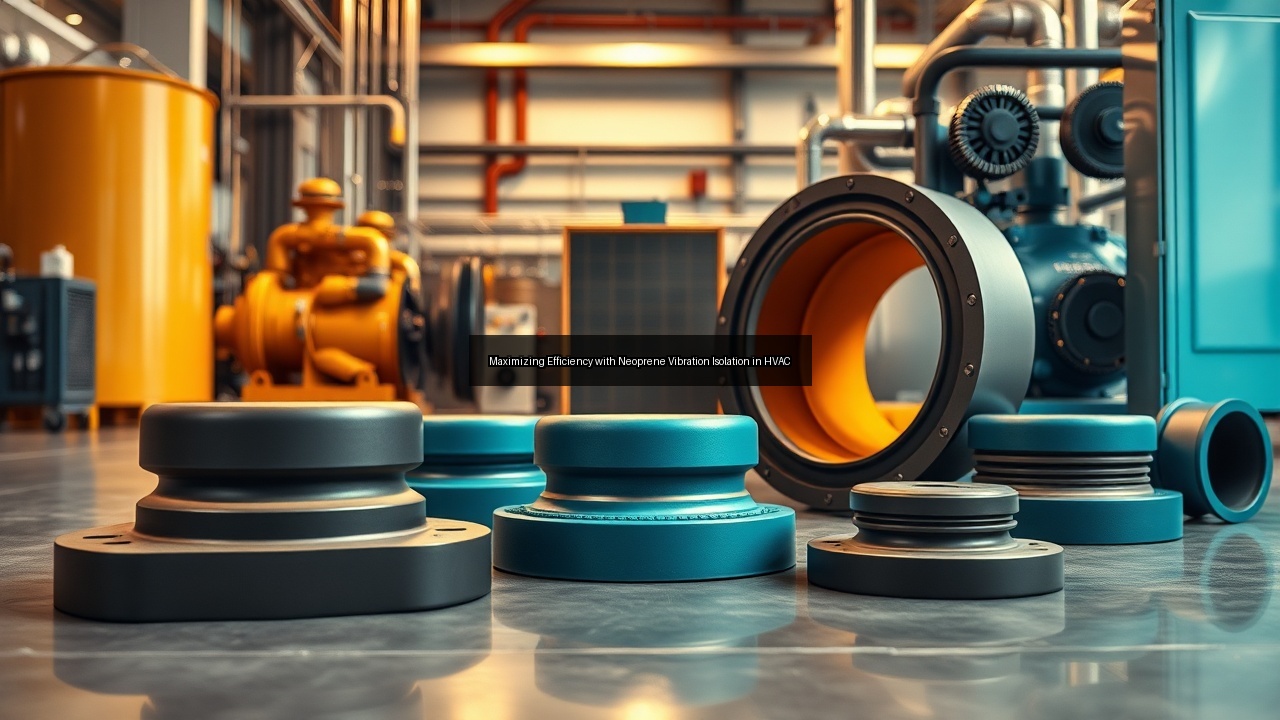
HVAC neoprene mounts come in various forms, primarily rubber pads and isolation mounts. Rubber pads serve as simple yet effective solutions for absorbing vibrations produced by static machinery. These pads can be placed directly under compressors, motors, or other equipment to minimize transmission of vibrations to the floor. On the other hand, isolation mounts provide more advanced vibration isolation by incorporating design features that allow for better energy absorption. These mounts often feature a sandwich construction, combining layers of neoprene and other materials to optimize performance. Each type of mount targets specific applications, ensuring that HVAC systems operate smoothly across all environments, whether in residential settings or industrial applications.
The Importance of Elastomeric Properties in Vibration Isolation
The elastomeric properties of neoprene significantly contribute to its effectiveness in vibration isolation. These properties allow the material to deform under stress, absorbing energy and preventing the transfer of vibrations to surrounding structures. When HVAC equipment operates, it generates forces that can lead to wear on gears, clutches, and tubings. Neoprene’s ability to flex and return to its original shape reduces the impact of these forces, extending the lifespan of connected components. Furthermore, the damping characteristics of neoprene ensure that vibrations are not only absorbed but also attenuated over time. This results in less maintenance, fewer repairs, and overall enhanced reliability of HVAC systems. Using neoprene mounts thus becomes a strategic choice for professionals aiming to optimize performance and minimize operational disruptions.
Self-Adhesive Options for Easy Installation
One of the most appealing features of neoprene vibration isolation mounts is the availability of self-adhesive options. These mounts simplify the installation process, allowing technicians to place them quickly and securely without the need for additional tools or hardware. The adhesive backing provides a strong bond to both equipment and mounting surfaces, ensuring that the neoprene stays in place during operation. This convenience not only saves time but also reduces labor costs associated with installation. Self-adhesive neoprene pads are particularly useful in retrofit applications where existing HVAC systems require upgrades. By incorporating these easy-to-install solutions, HVAC professionals can enhance system efficiency with minimal disruption to ongoing operations.
Applications and Efficiency Gains in HVAC Systems
Utilizing Neoprene Mounts in Compressors and Belt Drives
Neoprene mounts find extensive applications in HVAC compressors and belt drives. Compressors generate significant vibrations during operation, which can lead to noise and mechanical stress if not properly managed. Installing neoprene mounts beneath these compressors effectively dampens vibrations, preventing them from transmitting through the surrounding structure. Similarly, belt drives, which rely on rotating components to function, benefit from vibration isolation as well. By using neoprene mounts, HVAC systems can achieve smoother operation with less wear on belts and pulleys, reducing maintenance requirements. This approach not only prolongs the lifespan of equipment but also enhances overall energy efficiency, leading to cost savings for both residential and commercial HVAC systems.
Impact on RPM and Shear Forces in HVAC Equipment
The integration of neoprene vibration isolation mounts significantly impacts the RPM (revolutions per minute) and shear forces experienced by HVAC equipment. High RPMs can lead to increased vibrations, which in turn elevate shear forces acting on critical components. By employing neoprene mounts, HVAC systems can effectively reduce these forces, allowing equipment to operate at optimal RPMs while minimizing the risk of damage. This balance is crucial for maintaining equipment reliability and ensuring efficient energy consumption. Additionally, lower shear forces help maintain alignment in rotating parts, which prevents premature wear and enhances the overall system performance. Ultimately, using neoprene mounts translates to a more stable and efficient HVAC operation.
Integration with Trucks and Trailers for Enhanced Performance
Neoprene vibration isolation mounts extend their benefits beyond stationary HVAC systems to include mobile applications, such as trucks and trailers. These vehicles often house HVAC equipment that must function efficiently while dealing with road vibrations and shocks. By utilizing neoprene mounts in these dynamic environments, fleet operators can ensure that HVAC systems remain operational and effective regardless of the conditions encountered on the road. This integration leads to enhanced performance and longevity for both the vehicle and its HVAC system. Additionally, the ability of neoprene to withstand harsh environmental factors makes it a suitable choice for outdoor applications, ensuring reliable performance in diverse settings.
Sustainability and Future of Neoprene in HVAC
Sustainable Practices in Manufacturing Neoprene Products
As industries increasingly prioritize sustainability, the manufacturing processes for neoprene products have evolved. Modern production techniques focus on reducing environmental impact while maintaining high-quality standards. Many manufacturers now implement sustainable practices that minimize waste and energy consumption during the production of neoprene mounts and pads. Additionally, ongoing research aims to improve the recyclability of neoprene materials, allowing for more responsible end-of-life management. By choosing sustainably produced neoprene products, HVAC professionals can align with green initiatives while ensuring the reliability and performance of their systems.
Exploring Alternatives: Foam vs. Neoprene for Vibration Isolation
While neoprene remains a top choice for vibration isolation, exploring alternatives such as foam is essential for making informed decisions. Foam materials can be effective in certain applications, particularly where lightweight solutions are preferred. However, neoprene outperforms foam in terms of durability and resistance to environmental factors. Foam can degrade under exposure to oils and chemicals, which limits its use in many HVAC settings. In contrast, neoprene maintains its integrity even in challenging conditions, making it a more reliable option for long-term vibration isolation. Understanding these differences enables HVAC professionals to select the most suitable material for their specific applications.
The Future of Neoprene in Sustainable HVAC Solutions
The future of neoprene in HVAC solutions looks promising as the industry continues to innovate towards sustainability. As demand for energy-efficient systems grows, neoprene’s properties will play a vital role in developing advanced vibration isolation solutions. Manufacturers are exploring new formulations and composites that enhance the performance of neoprene while reducing environmental impact. This ongoing evolution positions neoprene as a critical material for sustainable HVAC systems, ensuring they operate efficiently and effectively in the years to come. By integrating neoprene vibration isolation mounts into modern HVAC designs, professionals can contribute to both performance and sustainability goals.