Essential Maintenance Tips for Your Oil Storage Tanks

Understanding Oil Storage Tanks
What Are Oil Storage Tanks?
Oil storage tanks hold oil for industrial, commercial, and residential use. These containers protect oil from contamination and evaporation while allowing controlled access through valves or pumps. Users rely on oil storage containers to keep supplies ready for machinery, heating systems, and vehicles. Proper design prevents spills and maintains oil quality over time. Many facilities choose tanks sized in gallons to match consumption rates. Regular checks ensure the tank remains secure against environmental factors like temperature swings. Operators monitor levels to avoid running low during peak demand. Effective oil storage tanks support smooth operations without unexpected downtime from supply issues.
Facilities often integrate oil storage containers into larger setups that include piping and monitoring equipment. This integration helps track usage patterns and plan refills efficiently. Workers empty and refill tanks following strict schedules to prevent sediment buildup. Understanding capacity limits avoids overfilling that leads to overflow. Oil tanks serve as the backbone for lubrication programs across factories and workshops. They store various oil grades needed for different equipment types. Maintenance teams treat these units as critical assets that require consistent attention to detail.
Key Functions and Importance
Oil storage tanks play a central role in ensuring a steady supply of lubricants, fuels, and process oils across multiple sectors. In manufacturing environments, they buffer against supply chain interruptions by holding strategic reserves that can last days or weeks depending on operational scale. For heating applications in commercial buildings and homes, these tanks maintain consistent fuel availability during seasonal demand spikes, reducing the risk of system failures in cold weather. Their design incorporates features such as pressure relief vents and level gauges that allow operators to maintain optimal conditions, preserving oil viscosity and preventing degradation from exposure to air or moisture.
Beyond basic containment, oil storage tanks contribute to regulatory compliance and operational efficiency. Modern installations often include automated inventory systems that integrate with enterprise software, enabling predictive ordering and minimizing waste. In lubricant management programs, dedicated tanks for hydraulic fluid, gear oil, and compressor lubricants prevent cross-contamination that could damage sensitive machinery. This separation supports longer equipment life cycles and lowers maintenance costs over time. Facilities that invest in high-quality storage solutions also benefit from improved safety records, as properly engineered tanks reduce the likelihood of leaks that could lead to environmental incidents or workplace hazards.
Design Considerations
Effective oil storage tank design balances structural integrity, material compatibility, and environmental protection. Engineers select wall thicknesses and reinforcement methods based on stored volume, internal pressure, and external loads such as wind or seismic activity. Secondary containment systems, including bund walls or double-wall constructions, provide an essential layer of protection against accidental releases. Ventilation systems must accommodate thermal expansion while blocking rainwater ingress, and overfill prevention devices such as automatic shutoff valves help operators avoid costly spills during delivery.
Corrosion mitigation remains a primary concern in both metallic and non-metallic tanks. Cathodic protection systems and specialized coatings extend service life in aggressive environments, while regular thickness measurements allow early detection of material loss. Temperature control features, including insulation or heating coils, ensure that heavy oils remain pumpable during winter months. These design elements collectively support reliable performance across decades of service when properly maintained.
Types of Oil Storage Containers
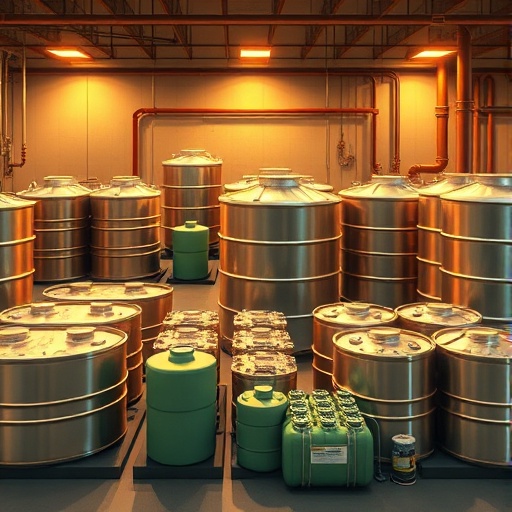
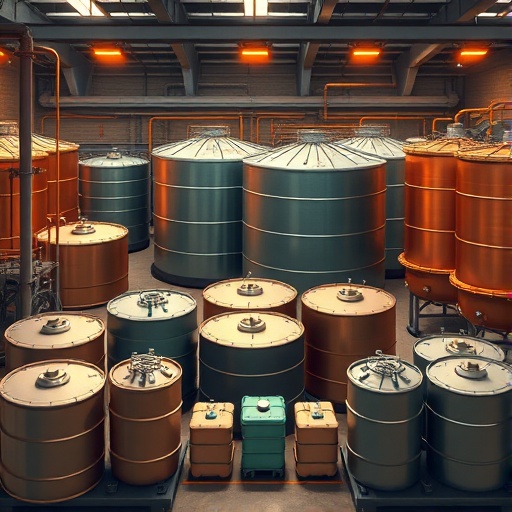
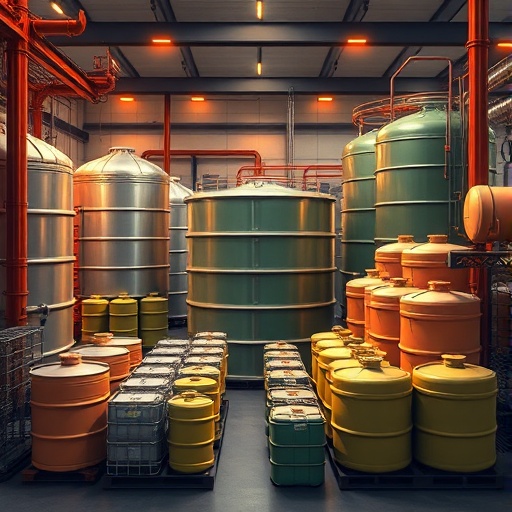
Oil storage containers come in several forms suited to different environments. Above-ground tanks provide easy access for inspections and repairs. Underground models save space but demand extra leak detection systems. Plastic container options work well for smaller operations because they resist corrosion and offer lightweight handling. Drum units hold 55 gallons and serve as portable options for temporary storage or transport between facilities. Intermediate bulk containers (IBCs) with capacities around 275 to 330 gallons bridge the gap between drums and full-scale tanks, offering reusable solutions with integrated pallets for forklift handling.
Above-ground storage tanks (ASTs) dominate industrial sites due to their straightforward installation and visibility during routine checks. Vertical ASTs with fixed roofs suit stable products, while floating-roof designs minimize vapor emissions for volatile liquids. Horizontal tanks often appear in fuel dispensing applications because they fit compact footprints and integrate easily with pumps. Underground storage tanks (USTs), by contrast, require sophisticated monitoring wells and automatic tank gauging to meet environmental regulations, making them common at service stations where surface space is limited.
Material selection further diversifies the options available. Carbon steel remains the standard for large volumes because of its strength and weldability, though it requires protective linings when storing aggressive oils. Fiberglass-reinforced plastic tanks excel in corrosive soil conditions for underground use, offering long-term resistance without cathodic protection. Polyethylene tanks provide economical choices for lubricants and heating oils in residential or light commercial settings, resisting both internal degradation and external weathering. Stainless steel variants appear in food-grade or pharmaceutical oil storage where purity is paramount.
Specialized configurations address unique operational needs. Cone-bottom tanks facilitate complete drainage of viscous products, reducing residue that could contaminate subsequent batches. Heated and insulated tanks maintain flow characteristics for bitumen or heavy fuel oils in cold climates. Tank farms at refineries and terminals combine multiple units with shared piping manifolds, allowing blending and distribution at scale. Each type demands tailored maintenance protocols to ensure continued safe operation and regulatory adherence throughout its service life.