Retrofitting Duct Systems in Historic Homes: A Case Study
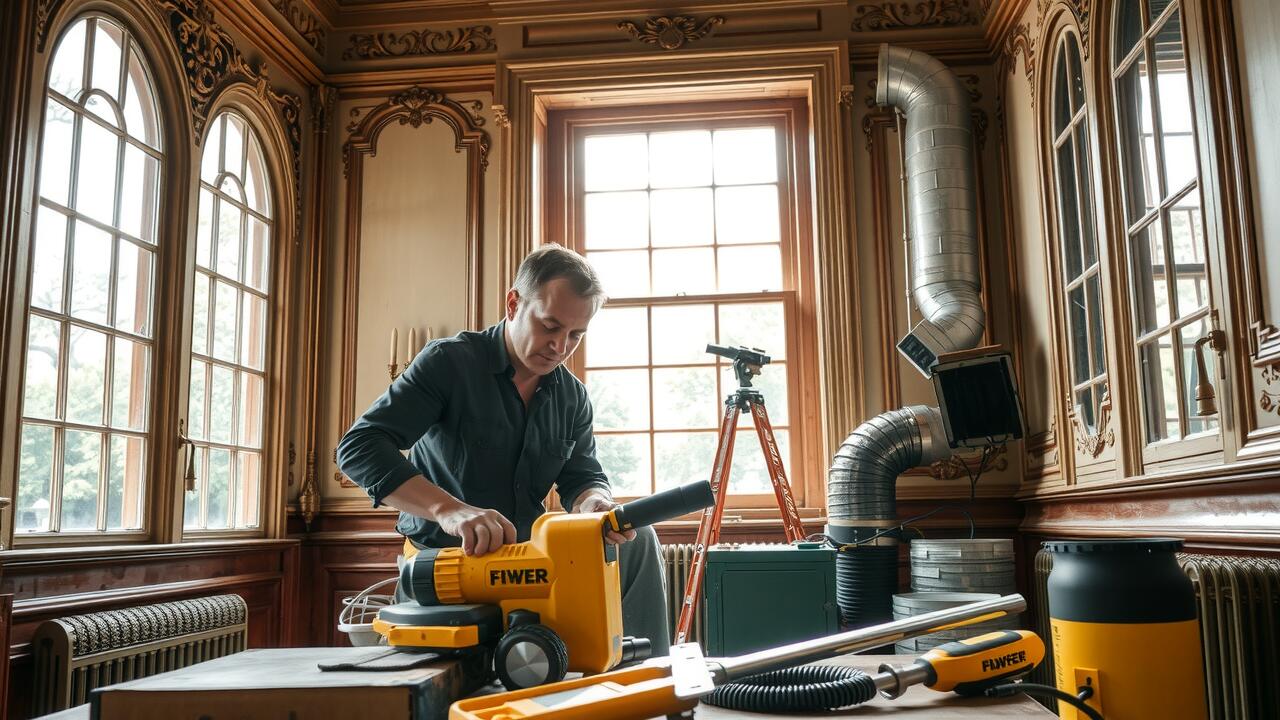
Assessing the Current System
A thorough evaluation of your existing duct system sparks excitement due to the potential improvements available. Begin by examining the condition of your current ductwork, looking for signs of wear, damage, or obstructions. For instance, check for rust or loose connections that can inhibit airflow efficiency. If you find oval ductwork, note that its shape can enhance airflow in tight spaces. This characteristic is particularly advantageous in older homes where space constraints are a significant challenge.
Take careful measurements to determine the dimensions of all duct runs. Ensure that the existing configuration aligns with modern HVAC standards, which often emphasizes maximizing energy efficiency and indoor air quality. Inspect insulation levels; inadequate insulation can lead to significant energy loss. Additionally, consider airflow testing methods such as blower door tests, which reveal leaks that require repair. Addressing these key elements lays a solid foundation for retrofitting, ultimately preparing you for the next steps in rejuvenating your historic home's HVAC efficiency.
What to Look For in Your Existing Ductwork? (Evaluation criteria)
When evaluating your existing ductwork, look for signs of wear and tear. Inspect joints for leaks and corrosion, as these can severely impact efficiency. For example, an unnoticed crack might reduce airflow by as much as 20%. Additionally, consider the overall configuration. Oval ductwork often takes up less space than traditional round ducts, which can be advantageous in tight areas.
Pay attention to the insulation surrounding the ducts. Properly insulated systems can maintain temperature and improve energy efficiency significantly. An estimated 30% of heating and cooling energy can be lost through inadequately insulated ducts. If your current setup uses outdated materials, retrofitting with modern, higher-performing options can be both cost-effective and environmentally friendly. Assessing these factors thoroughly will aid in laying the groundwork for a successful retrofitting project.
Choosing the Right Materials for Retrofitting
Selecting the right materials for retrofitting duct systems in historic homes is an exhilarating journey. While traditional round ducts are common, oval ductwork offers a fascinating alternative that maximizes airflow in confined spaces without compromising the home’s aesthetic value. Oval ducts not only minimize visual impact but also enhance energy efficiency by maintaining better airflow dynamics. For instance, using oval ducts can reduce air resistance by up to 30%, translating to lower energy bills and improved comfort levels throughout the home.
When considering materials, compatibility with existing systems and insulation properties must rise to the forefront. Aluminum and galvanized steel are popular options due to their durability and resistance to corrosion. However, flexible ductwork can be a smart choice for intricate designs where rigid ducts may be challenging to install. Always remember to adhere to local building codes, as they dictate which materials can be used in specific setups, ensuring safety and efficiency. Prioritizing these factors can lead to an optimized system that seamlessly integrates with the home’s historic charm.
Factors to Consider When Selecting Duct Materials (Material benefits and compatibility)
Selecting the right materials for retrofitting duct systems in historic homes involves a thrilling mix of performance and compatibility. For instance, oval ductwork is an exciting option because it often fits more seamlessly into tight spaces compared to traditional round ducts. Utilizing oval ducts can improve airflow efficiency while preserving the aesthetic charm of your historic residence. Aluminum and galvanized steel are both popular choices, offering excellent durability and resistance to corrosion. Their lightweight nature simplifies installation, making them suitable for retrofitting projects.
When considering duct materials, think about sound insulation and energy efficiency as well. Insulated flexible ducts excel in noise reduction, creating a quieter indoor environment while maintaining temperature control. Investing in materials that meet industry standards, such as those outlined by the American Society of Heating, Refrigerating and Air-Conditioning Engineers (ASHRAE), guarantees a system that optimally balances performance and comfort. Also, always check compatibility with existing structures to avoid unnecessary alterations. With carefully chosen materials, you're one step closer to improving system reliability without compromising the historic integrity of your home.
Professional vs. DIY Duct Retrofitting
Choosing between professional assistance and a DIY approach for duct retrofitting can be exhilarating. Engaging skilled contractors familiar with the intricacies of historic homes ensures that the installation meets both aesthetic and functional requirements. For example, using oval ductwork can enhance airflow efficiency and accommodate tighter spaces, particularly in older structures with limited room for traditional duct systems. Professional installers often come equipped with industry knowledge, allowing them to navigate local codes and best practices seamlessly.
On the other hand, the DIY route appeals to those eager to tackle the project themselves. With the right tools and a thorough understanding of the existing setup, homeowners can experiment with materials and techniques that suit their design vision. A notable case study shows that a homeowner successfully retrofitted their duct system with oval ducts, ultimately improving air circulation while preserving the home’s historical character. Taking on the task can save costs but requires a firm grasp of building regulations to avoid future compliance issues.
How Can You Decide Between Hiring a Pro or Going DIY? (Pros and cons of each approach)
Deciding between hiring a professional and tackling duct retrofitting on your own can be exhilarating and daunting. Hiring an expert ensures compliance with local regulations, guaranteeing safety and effectiveness in the installation process. Professionals often bring specialized tools and extensive experience to the table, which can be vital for projects involving oval ductwork or integrating new materials with aging systems. For example, a seasoned technician may identify compatibility issues that a novice might overlook, preventing costly errors down the line.
On the other hand, a DIY approach can be rewarding for those with a solid understanding of HVAC systems. Engaging in retrofitting provides the chance to learn and customize solutions unique to your home’s needs. However, beginners must brace for the learning curve associated with the intricacies of duct systems. In a recent homeowner survey, 60% reported burnout from complex installations, suggesting that the appeal of DIY can wear off when faced with unexpected challenges. Assessing your skills and the intricacies of your existing ductwork is crucial in making the right choice for your project.
Ensuring Compliance with Local Codes
Navigating local codes can often feel like a daunting maze for homeowners embarking on duct retrofitting, especially in historic properties. Each municipality may have different regulations regarding the materials used, installation practices, and even the aesthetic considerations necessary to maintain a property's historical integrity. For example, many local authorities require that any new oval ductwork installed must match the original design and materials found within the home, ensuring that the retrofitting process doesn’t detract from the building’s character. Engaging in thorough research at the outset not only avoids potential fines but also enhances the overall quality of the installation.
Understanding compliance obligations can significantly streamline the retrofit process. Many professionals recommend collaborating with local historical societies to gain insights about specific requirements related to preservation. Additionally, familiarize yourself with industry standards such as the National Fire Protection Association's (NFPA) guidelines on duct systems. These standards often dictate crucial factors, including insulation types and air flow requirements, essential for both safety and efficiency. Emphasizing a rigorous approach to compliance helps protect your investment while ensuring a successful integration of the new ductwork.
What Regulations Should You Be Aware Of? (Navigating legal requirements)
Navigating the maze of regulations surrounding retrofitting duct systems can be exhilarating for homeowners eager to enhance their historic homes. Local building codes often dictate specific requirements for materials, installation methods, and design features, especially when it comes to maintaining the integrity of a historic property. For example, some municipalities mandate the use of oval ductwork to provide a seamless fit within existing architectural constraints while preserving the building’s character. Understanding these requirements ensures compliance, allowing homeowners to avoid fines or delays during renovations.
Contractors should stay informed about the latest standards set by organizations like the American Society of Heating, Refrigerating and Air-Conditioning Engineers (ASHRAE). Many codes focus on energy efficiency, pushing retrofits toward more sustainable options, which can significantly reduce heating and cooling costs. Awareness of health and safety regulations, such as proper air circulation and contamination prevention, is vital for any ductwork installation. This knowledge empowers homeowners not just to implement cutting-edge technologies but to enhance the safety and comfort of their treasured spaces.
FAQS
What is duct retrofitting, and why is it important for historic homes?
Duct retrofitting involves updating or replacing existing duct systems to improve efficiency and performance, which is especially crucial for historic homes to enhance comfort while preserving their unique charm!
How do I assess my current duct system?
Start by checking for leaks, rust, and any signs of wear. Make sure to evaluate the system's layout and airflow to determine how well it meets your heating and cooling needs!
What materials are best for retrofitting duct systems in historic homes?
Look for materials that are both compatible with the home’s structure and energy-efficient, like insulated flexible ducts or metal ducting, which maintain airflow while minimizing energy loss!
Should I hire a professional or attempt a DIY retrofitting project?
It depends on your skill level! Hiring a pro ensures compliance with local codes and a high-quality installation, while a DIY approach can save money if you’re handy and knowledgeable about duct systems!
What local regulations should I consider when retrofitting my duct system?
Always check with your local building codes and historic preservation guidelines to ensure your retrofitting efforts comply with any legal requirements, helping you protect your home’s integrity!